International Financial Reporting Standards
Source: European Commission, IFRS
Table of Contents
- What is IFRS?
- Why do we need it?
- Who must report?
- Key IFRS Standards
- IAS 1 – Presentation of Financial Statements
- IAS 2 – Inventories
- IAS 7 – Statement of Cash Flows
- IAS 8 – Accounting Policies, Changes in Accounting Estimates and Errors
- IAS 10 – Events after the Reporting Period
- IAS 12 – Income Taxes
- IAS 16 – Property, Plant and Equipment
- IAS 19 – Employee Benefits
- IAS 21 – The Effects of Changes in Foreign Exchange Rates
- IAS 24 – Related Party Disclosures
- IAS 36 – Impairment of Assets
- IAS 38 – Intangible Assets
- IFRS 1 – First-time Adoption of International Financial Reporting Standards
- IFRS 9 – Financial Instruments
- IFRS 15 – Revenue from Contracts with Customers
- IFRS 16 – Leases
- IFRS 17 – Insurance Contracts
What is IFRS?
The International Financial Reporting Standards (IFRS) are a set of accounting standards developed by the International Accounting Standards Board (IASB). These standards aim to bring consistency, transparency, and efficiency to financial statements globally, ensuring that stakeholders can compare financial statements across international boundaries.
Why do we need it?
- Global Standardization: IFRS provides a common accounting language for businesses worldwide, which enhances the comparability of financial statements across different countries.
- Transparency: IFRS promotes transparency in financial reporting by ensuring that financial statements reflect the true economic substance of transactions and events.
- Efficiency: The use of IFRS reduces the complexity and cost associated with maintaining different accounting standards in various countries.
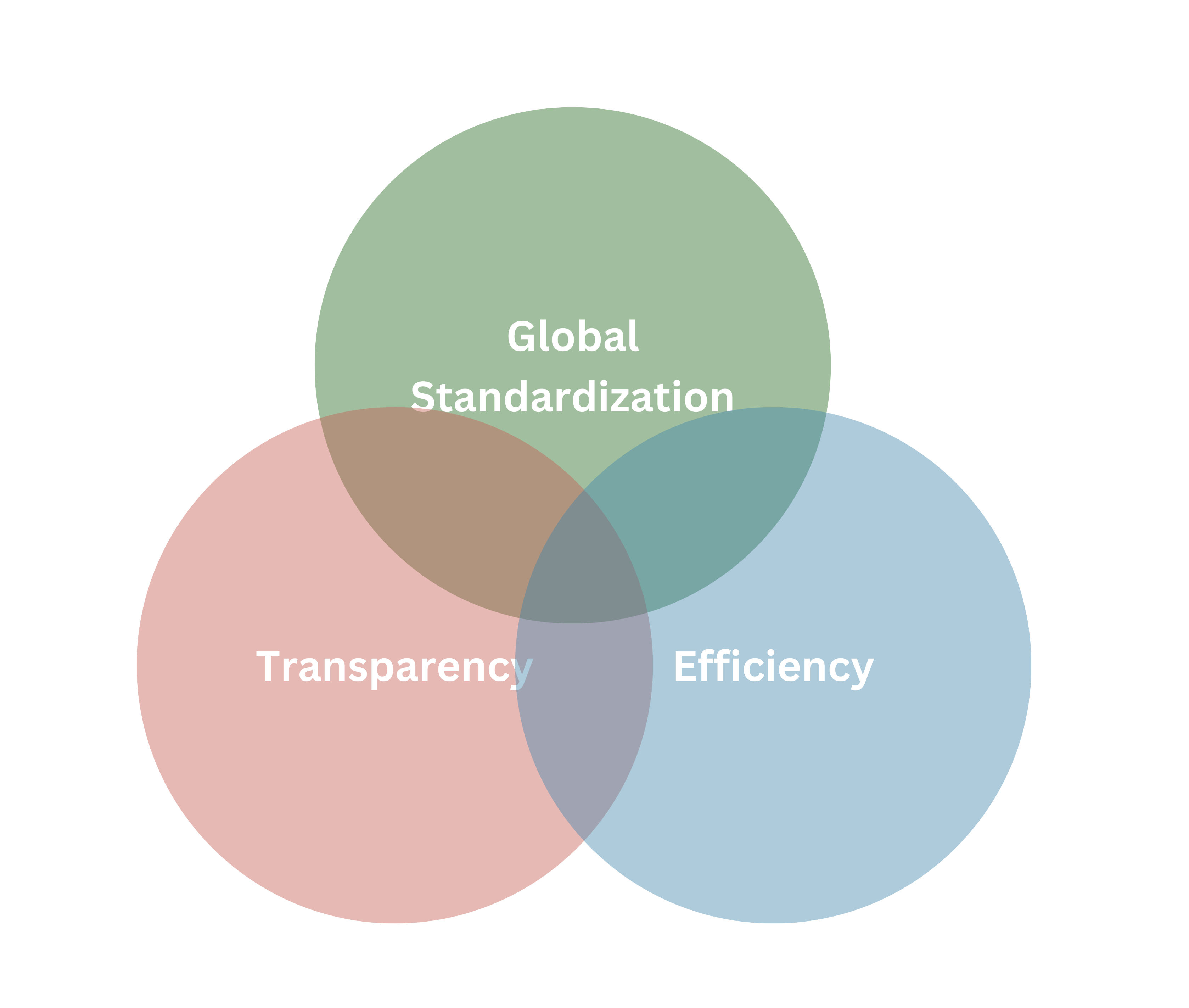
Source: Own representation

Who must report?
Companies that are required to publish IFRS data include those whose shares or debt securities have been admitted to trading on an organized capital market within the European Union or are in the process of becoming publicly traded.
Key IFRS Standards
IAS 1 – Presentation of Financial Statements
- Prescribes the basis for presenting general-purpose financial statements to ensure comparability with previous periods and other entities. It includes overall requirements, guidelines for structure, and minimum content requirements.
IAS 2 – Inventories
- Deals with the accounting for inventories, providing guidance on the determination of cost and its subsequent recognition as an expense, including any write-down to net realizable value.
IAS 7 – Statement of Cash Flows
- Requires the presentation of information about changes in cash and cash equivalents by means of a statement of cash flows, which classifies cash flows during the period into operating, investing, and financing activities.
IAS 8 – Accounting Policies, Changes in Accounting Estimates and Errors
- It provides criteria for selecting and changing accounting policies. Additionally, it outlines the treatment and disclosure of changes in accounting policies, as well as changes in accounting estimates. Moreover, it addresses the corrections of errors.
IAS 10 – Events after the Reporting Period
- It prescribes when an entity should adjust its financial statements for events occurring after the reporting period and specifies the disclosures that the entity should provide about the date it authorized the financial statements for issue and events after the reporting period.
IAS 12 – Income Taxes
- It further provides guidelines on the accounting treatment of current and deferred tax. Specifically, it prescribes how to account for the tax consequences of all transactions and other events that are, in turn, recognized in the financial statements.
IAS 16 – Property, Plant and Equipment
- It prescribes the accounting treatment for property, plant, and equipment. Specifically, it includes recognising assets, as well as determining their carrying amounts. Furthermore, it addresses recognising depreciation charges and impairment losses related to these assets.
IAS 19 – Employee Benefits
- Prescribes the accounting and disclosure for employee benefits, including short-term benefits, post-employment benefits, other long-term benefits, and termination benefits.
IAS 21 – The Effects of Changes in Foreign Exchange Rates
- It prescribes both how to include foreign currency transactions and foreign operations in the financial statements of an entity and also how to translate financial statements into a presentation currency.
IAS 24 – Related Party Disclosures
- This ensures that financial statements include the necessary disclosures. Specifically, it highlights the possibility that related parties, their transactions, or any outstanding balances with them could potentially affect the financial position and profit or loss.
IAS 36 – Impairment of Assets
- Procedures that an entity applies to ensure that it carries its assets at no more than their recoverable amount, and to recognize or reverse an impairment loss are prescribed.
IAS 38 – Intangible Assets
- Prescribes the accounting treatment for intangible assets that another standard does not specifically address. It covers their recognition, measurement, and amortization.
IFRS 1 – First-time Adoption of International Financial Reporting Standards
- Sets out the procedures that an entity must follow when it adopts IFRS for the first time as the basis for preparing its general-purpose financial statements.
IFRS 9 – Financial Instruments
- It specifically addresses the classification, measurement, and recognition of financial assets and financial liabilities, thereby providing a framework for their consistent treatment.
IFRS 15 – Revenue from Contracts with Customers
- It specifies how and when an entity will recognize revenue. Additionally, it requires entities to provide users of financial statements with more informative and, therefore, more relevant disclosures.
IFRS 16 – Leases
- The standard clearly specifies how an IFRS reporter will recognise, measure, present, and disclose leases. Moreover, it requires lessees to recognize assets and liabilities for most leases, thereby ensuring greater transparency in financial reporting.
IFRS 17 – Insurance Contracts
- It establishes the principles for the recognition, measurement, presentation, and disclosure of insurance contracts that are issued. Specifically, these principles aim to ensure consistency and transparency in reporting.